Archives
- 2026-06
- 2026-05
- 2026-04
- 2026-03
- 2026-02
- 2026-01
- 2025-12
- 2025-11
- 2025-10
- 2025-09
- 2025-03
- 2025-02
- 2025-01
- 2024-12
- 2024-11
- 2024-10
- 2024-09
- 2024-08
- 2024-07
- 2024-06
- 2024-05
- 2024-04
- 2024-03
- 2024-02
- 2024-01
- 2023-12
- 2023-11
- 2023-10
- 2023-09
- 2023-08
- 2023-07
- 2023-06
- 2023-05
- 2023-04
- 2023-03
- 2023-02
- 2023-01
- 2022-12
- 2022-11
- 2022-10
- 2022-09
- 2022-08
- 2022-07
- 2022-06
- 2022-05
- 2022-04
- 2022-03
- 2022-02
- 2022-01
- 2021-12
- 2021-11
- 2021-10
- 2021-09
- 2021-08
- 2021-07
- 2021-06
- 2021-05
- 2021-04
- 2021-03
- 2021-02
- 2021-01
- 2020-12
- 2020-11
- 2020-10
- 2020-09
- 2020-08
- 2020-07
- 2020-06
- 2020-05
- 2020-04
- 2020-03
- 2020-02
- 2020-01
- 2019-12
- 2019-11
- 2019-10
- 2019-09
- 2019-08
- 2019-07
- 2019-06
- 2019-05
- 2019-04
- 2018-07
-
In order to ensure that the decrease in ethanol and
2022-01-15
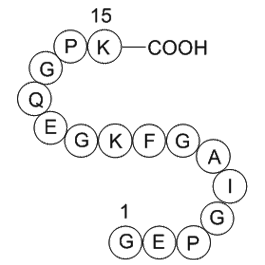
In order to ensure that the decrease in ethanol and morphine intake was not due to a sedative effect of SNAP 37889, locomotor activity and motor learning were assessed through behavioural paradigms. Using the locomotor test, SNAP 37889 did not alter any parameters of locomotion; this lack of sedatio
-
Another small compound targeting IBAT has been evaluated in
2022-01-15
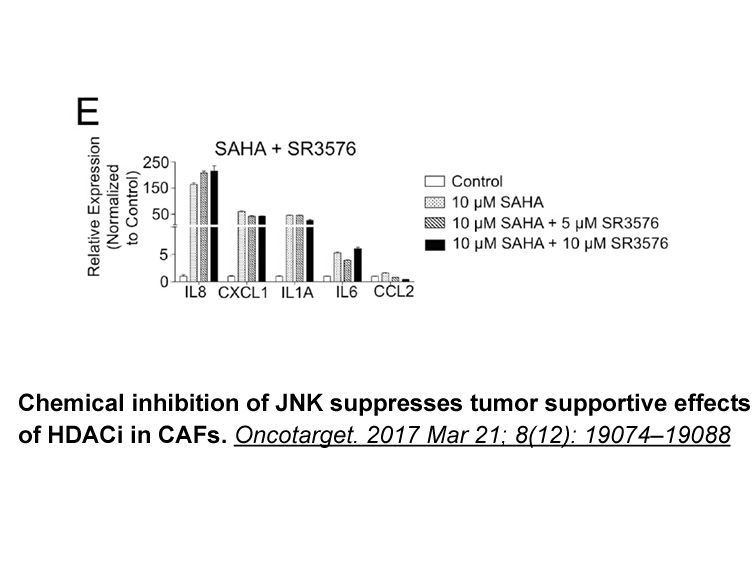
Another small compound targeting IBAT has been evaluated in Phase I clinical trial (EudraCT 2013-001175-21) [86]. The oral administration of A4250 to healthy subjects did not give rise to any serious adverse events, was well tolerated and had a similar safety profile as elobixibat; however, it cause
-
In addition we assessed the viability of tetrahydroquinoline
2022-01-14
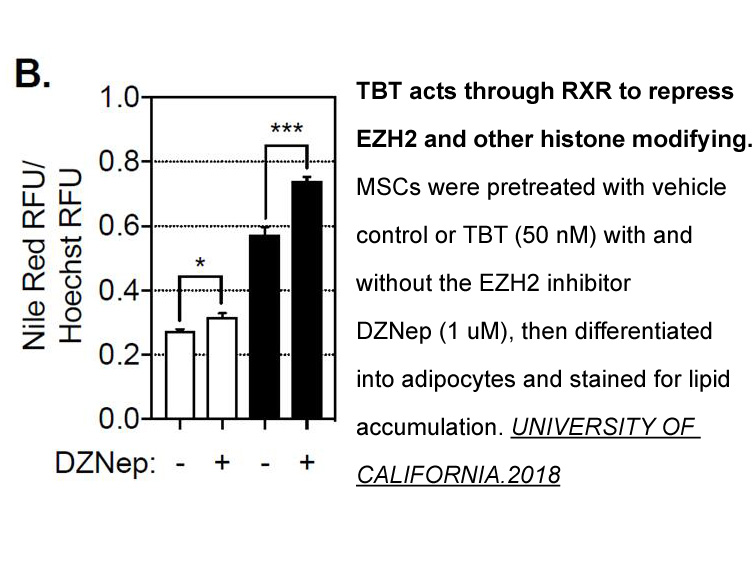
In addition, we assessed the viability of 1,2,3,4-tetrahydroquinoline (13t) and 1,2,3,4-tetrahydroisoquinoline (13u) as the tail on account of our previous SAR results. To our delight, 13t and 13u each had comparable activity to that of 13c, with 13u being slightly more potent than 13c. Further stru
-
The ability of the vasculature
2022-01-14

The ability of the vasculature to determine the nature and magnitude of a stimulus is essential for the appropriate and proportionate response. The vascular response to injury include rapid changes to blood flow to reduce the loss of blood, followed by increased contact with the sub-endothelial laye
-
According to the World Health Organization WHO classificatio
2022-01-14
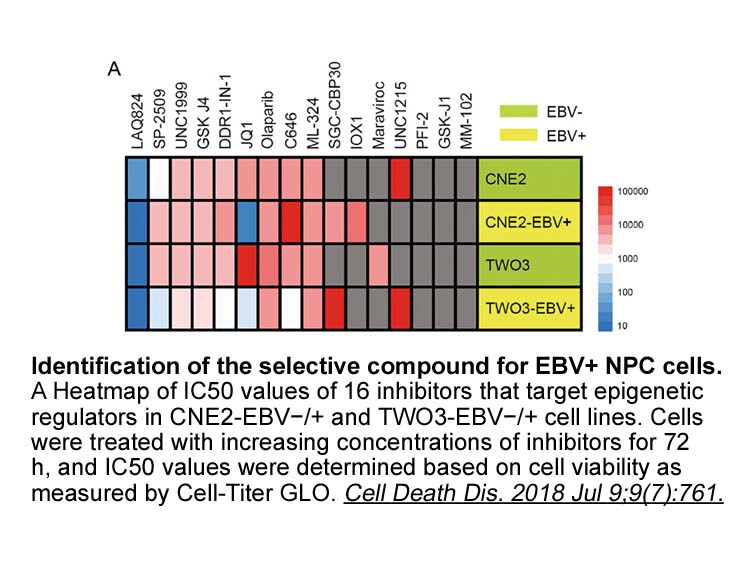
According to the World Health Organization (WHO) classification, oligodendrogliomas or anaplastic oligodendrogliomas are primary neoplasms of the central nervous system, which are predominantly composed of cells morphologically resembling oligodendrocytes [23]. These tumors are often estimated to re
-
Furthermore the identification of the inhibitory effect of P
2022-01-14
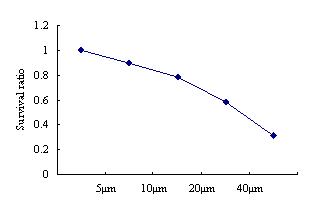
Furthermore, the identification of the inhibitory effect of P. grandiflorum and ginseng extract on HDAC represents an effective workflow for gene expression similarity-based repositioning of nutraceuticals. Acknowledgments This research was supported by Basic Science Research Program through the
-
Our data indicate that curcumin reduced MDA and LOOH formati
2022-01-14
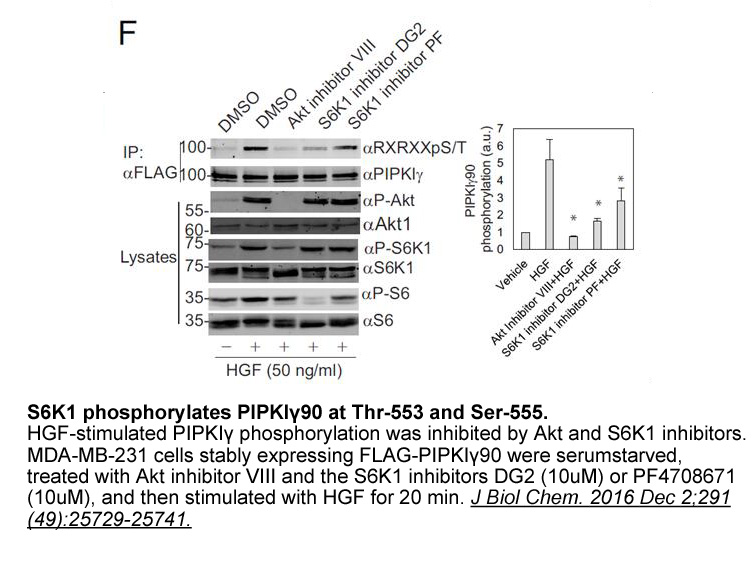
Our data indicate that curcumin reduced MDA and LOOH formation in plasma and kidney induced by gentamicin treatment. The results demonstrate the protective effect of this compound against oxidative damage to these membranes. Moreover, the ability of curcumin to reduce the formation of LOOH induced b
-
The compounds f and a e were found
2022-01-14
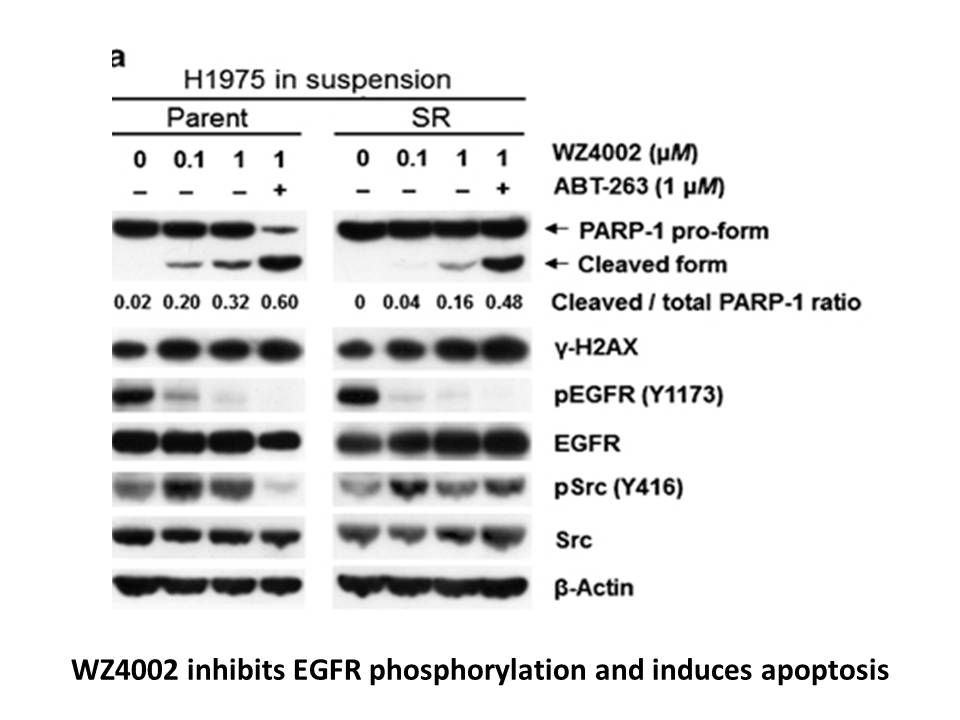
The compounds 8f and 9a–e were found to be potent inhibitors of both isoforms of GSK-3 as characterized by IC50 values in the low nanomolar range. In addition, all of them showed good selectivities against other kinases. Substituents in the ortho- and para-positions of structure 8 and 9 lead to pote
-
Molecular modeling studies also revealed insignificant diffe
2022-01-14
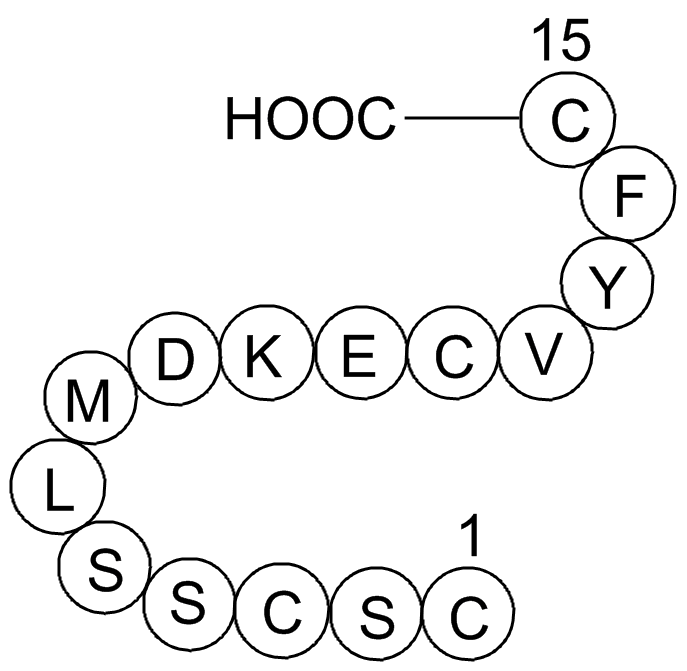
Molecular modeling studies also revealed insignificant differences in ligand-receptor interaction energies between R and S enantiomers of LPCs or their 2-OMe-analogues, suggesting that enantiomers of a particular structure should exert similar GPR119-mediated biological effect. Indeed, when studied
-
Results indicated that superfusion of orexin alone glutamate
2022-01-14
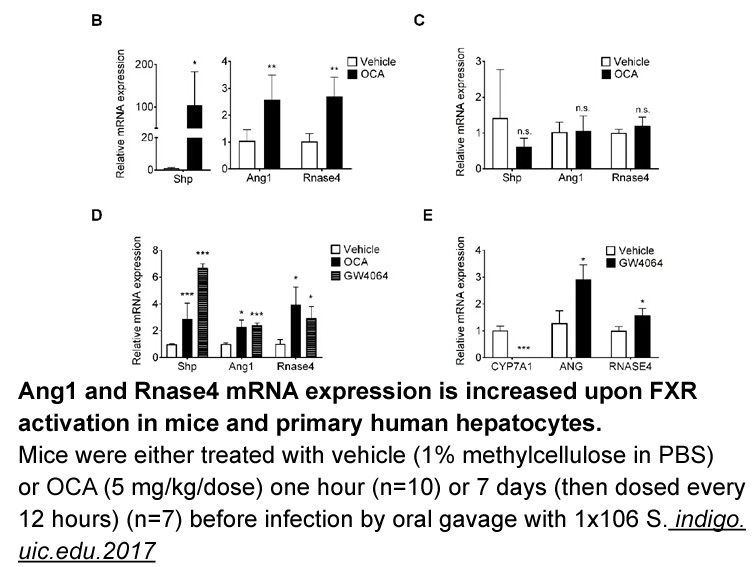
Results indicated that superfusion of orexin alone, glutamate alone or orexin-glutamate co-administration significantly increases the spontaneous discharge rate of LC neurons in both morphine dependent and non-dependent rats (Fig. 2, Fig. 3). However, co-application of orexin and glutamate resulted
-
Analysis of genomic neighborhoods has helped resolve questio
2022-01-14
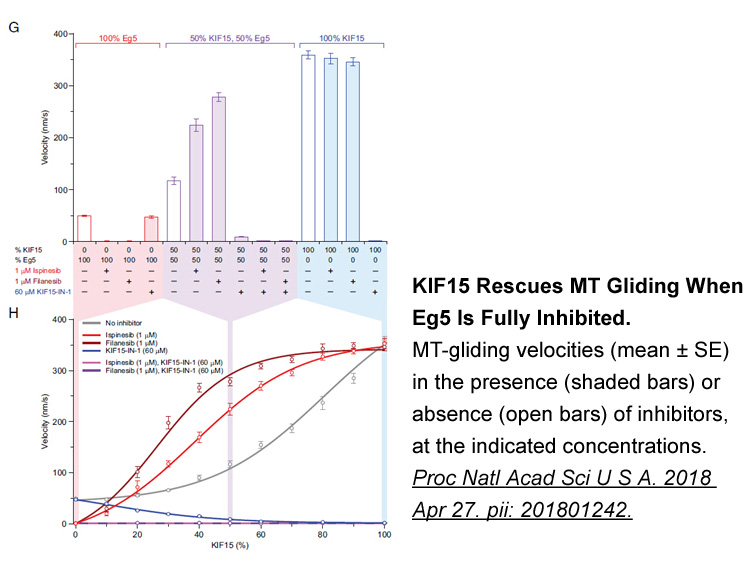
Analysis of genomic neighborhoods has helped resolve questions concerning the orthology of receptors for peptides similar to glucagon (Ng et al., 2010, Irwin and Prentice, 2011, Wang et al., 2012, Hwang et al., 2013). Using a diverse array of species with available genome sequence (see Fig. 4) the
-
br Electron crystallographic structures of connexins
2022-01-13
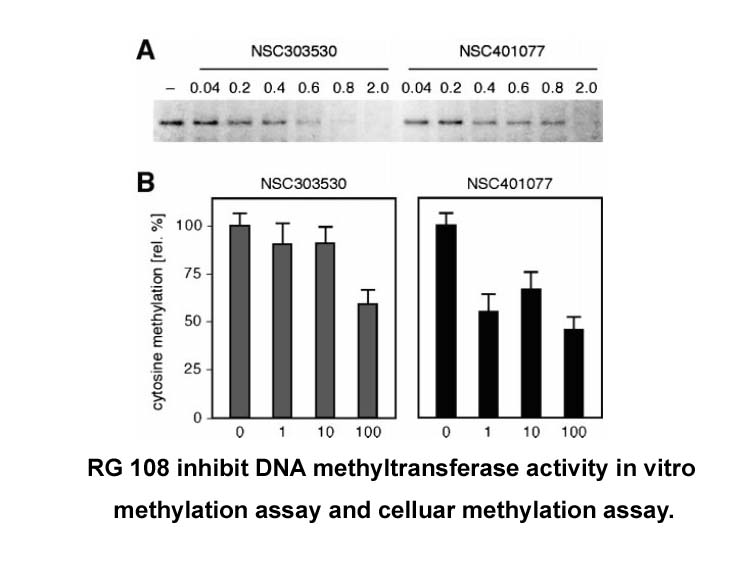
Electron crystallographic structures of connexins The structures of gap junctions are good targets for electron microscopy because they exhibit the characteristic features of self-assembly. Early studies examined the three-dimensional (3D) structures of native gap junction flumethasone from roden
-
Albumin is the major carrier of free fatty acids
2022-01-13
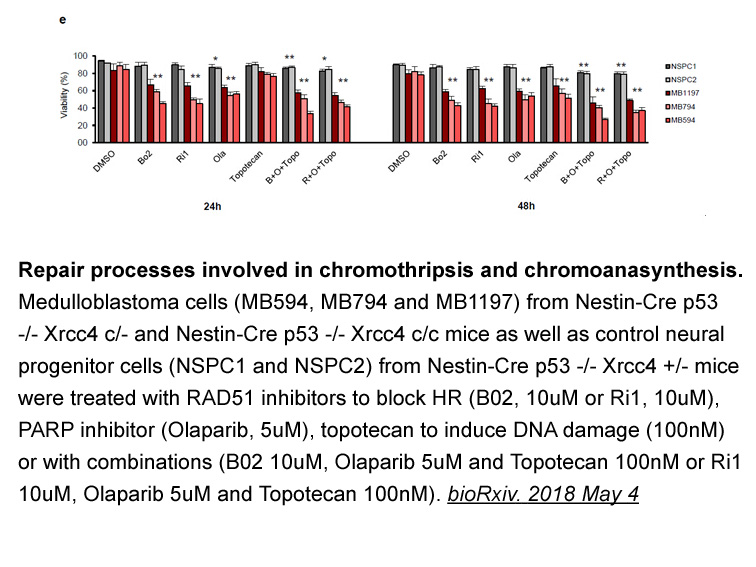
Albumin is the major carrier of free fatty acids (FFAs) in plasma [59], and harbours seven binding sites that are common to FFAs with a range of chain-lengths (C10-C18) across its three domains (Fig. 1a) [60,61]. In vitro, saturated, mono- and poly-unsaturated FFAs, with chain lengths ranging from C
-
In the phylum Cnidaria which separated
2022-01-13
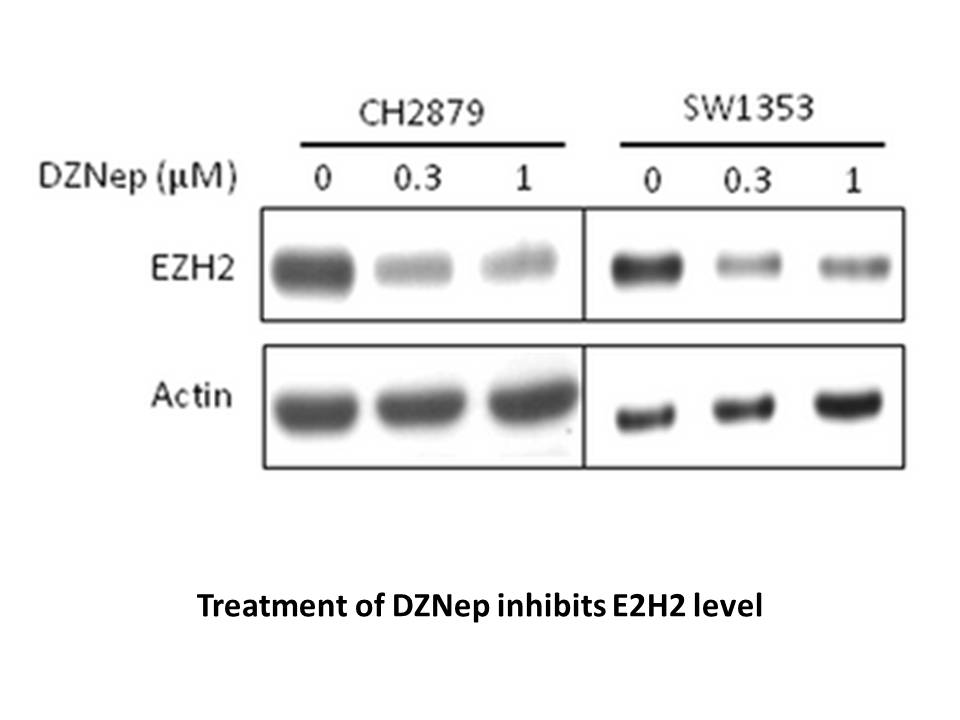
In the phylum Cnidaria, which separated from the main line of Metazoa early during evolution, FGFR signaling is essential during development and morphogenesis. Two FGFRs and two FGFs antagonistically control formation of the apical organ in the anthozoan Nematostella and target the MAPK pathway (Ren
-
FK 866 hydrochloride Murine models of AML were used to ident
2022-01-13
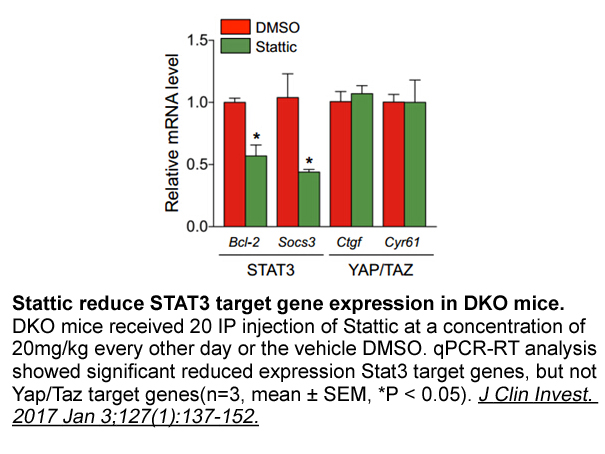
Murine models of AML were used to identify differentially expressed proteins following treatment with the EZH2 inhibitor, DZnep. Sandow and coworkers demonstrated that inhibition of EZH2 induces leukemia FK 866 hydrochloride arrest through regulation of cyclin-dependent kinases and increased expres
16250 records 549/1084 page Previous Next First page 上5页 546547548549550 下5页 Last page