Archives
- 2026-06
- 2026-05
- 2026-04
- 2026-03
- 2026-02
- 2026-01
- 2025-12
- 2025-11
- 2025-10
- 2025-09
- 2025-03
- 2025-02
- 2025-01
- 2024-12
- 2024-11
- 2024-10
- 2024-09
- 2024-08
- 2024-07
- 2024-06
- 2024-05
- 2024-04
- 2024-03
- 2024-02
- 2024-01
- 2023-12
- 2023-11
- 2023-10
- 2023-09
- 2023-08
- 2023-07
- 2023-06
- 2023-05
- 2023-04
- 2023-03
- 2023-02
- 2023-01
- 2022-12
- 2022-11
- 2022-10
- 2022-09
- 2022-08
- 2022-07
- 2022-06
- 2022-05
- 2022-04
- 2022-03
- 2022-02
- 2022-01
- 2021-12
- 2021-11
- 2021-10
- 2021-09
- 2021-08
- 2021-07
- 2021-06
- 2021-05
- 2021-04
- 2021-03
- 2021-02
- 2021-01
- 2020-12
- 2020-11
- 2020-10
- 2020-09
- 2020-08
- 2020-07
- 2020-06
- 2020-05
- 2020-04
- 2020-03
- 2020-02
- 2020-01
- 2019-12
- 2019-11
- 2019-10
- 2019-09
- 2019-08
- 2019-07
- 2019-06
- 2019-05
- 2019-04
- 2018-07
-
br The complementary role of chaperone mediated
2025-01-18
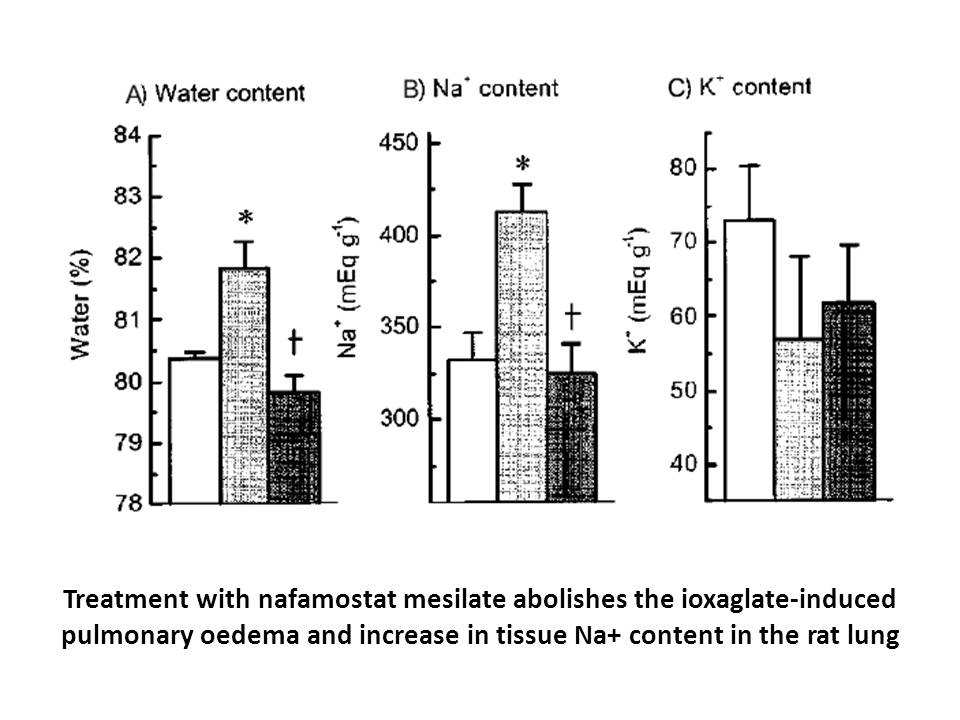
The complementary role of chaperone mediated autophagy Chaperone-mediated autophagy (CMA) mediates the degradation of specific cellular proteins and participates in the regulation of lipid metabolism, DNA repair, or the response to stress (Kaushik and Cuervo, 2018). CMA provides an alternative pa
-
br Materials and methods br Results br Discussion
2025-01-18
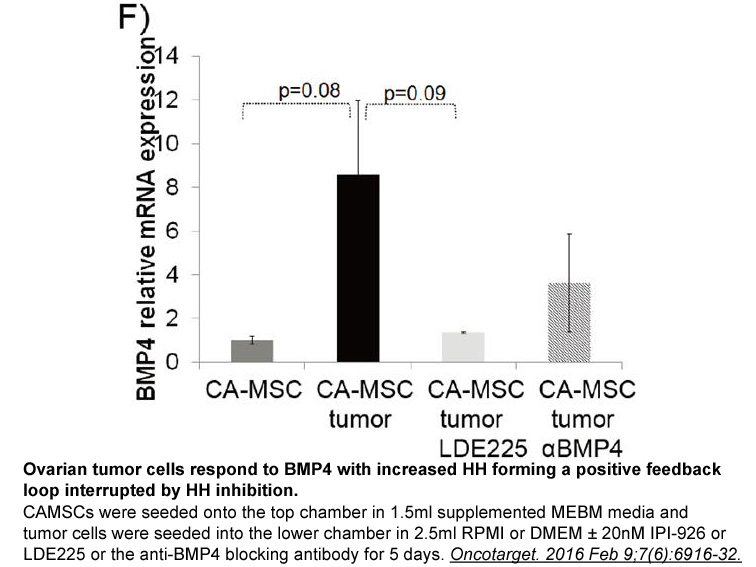
Materials and methods Results Discussion Despite the relative complexity of immunotherapy, such treatment may have an important role, in conjunction with other therapies in the treatment of cancer refractory to conventional treatments alone. Clinical studies have recently shown that adding
-
protoporphyrin ix Although the earlier studies focused on th
2025-01-18
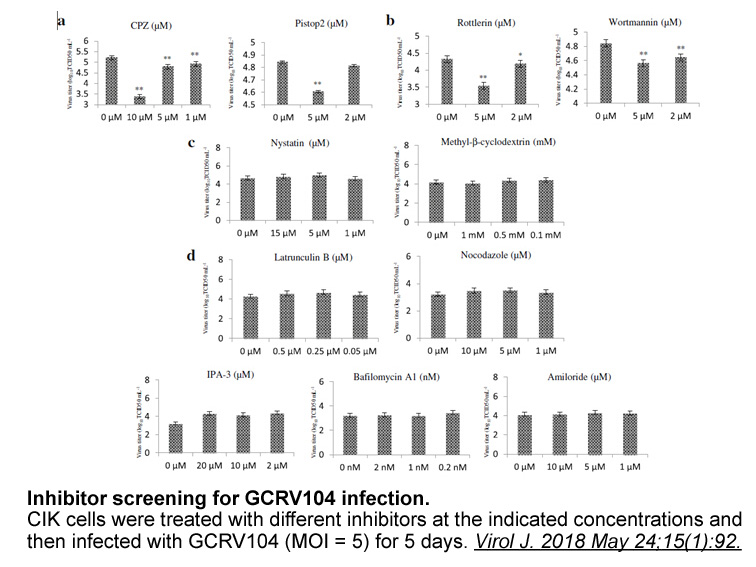
Although the earlier studies focused on the antioxidant capacity of tocopherols, ascorbic protoporphyrin ix and carotenoids, then it was noticed that phenolic compounds were more powerful than others (Rice-Evans, Miller, & Paganga, 1996). Phenolic compounds, the most numerous and ubiquitous groups o
-
Several strategies have been employed to design
2025-01-18
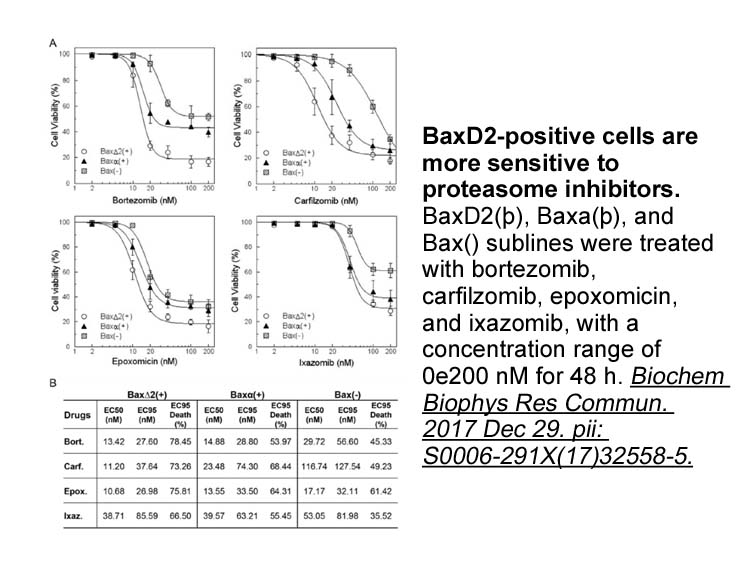
Several strategies have been employed to design and engineer peptide biosensors of kinase activity, which are quite different from the strategies developed to generate genetically encoded KARs. In all cases, fluc induces changes in the spectral properties of the fluorophore(s) incorporated into the
-
Activation of AhR is also known
2025-01-17
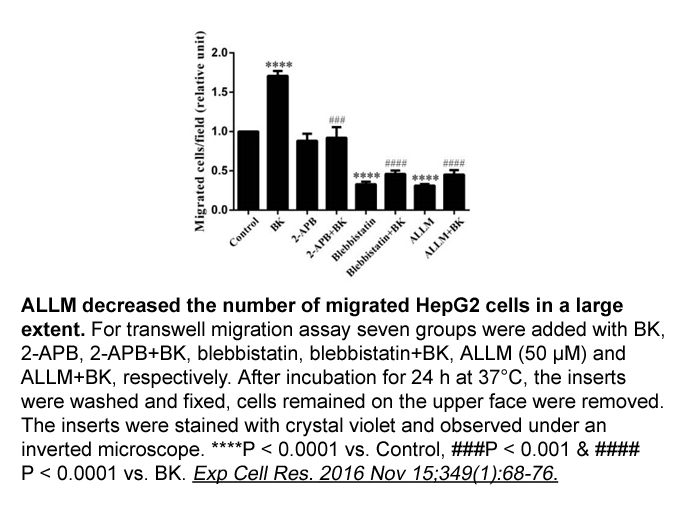
Activation of AhR is also known to upregulate the expression of AhRR (AhR repressor), an inhibitor protein of AhR [29]. However, the exact mechanism by which AhRR represses AhR signaling is not well understood. The initial study by Mimura and colleagues suggested that AhRR is capable of directly com
-
The lack of specific PARP inhibitors prevents our
2025-01-17
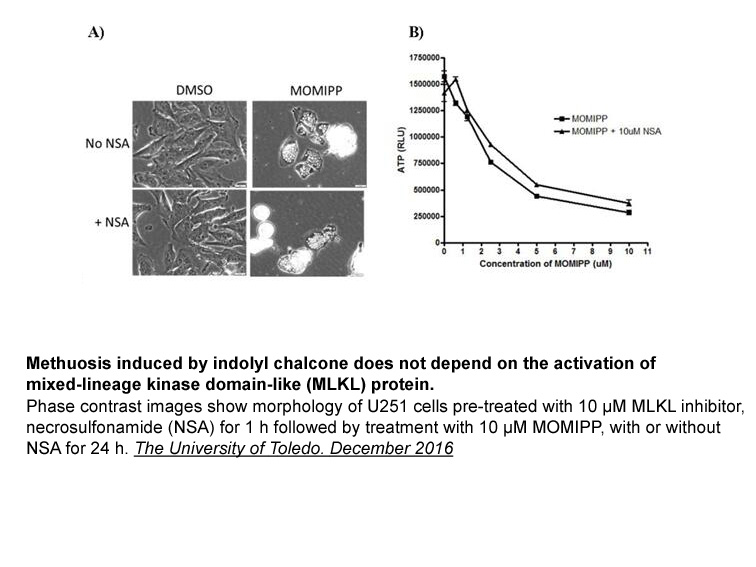
The lack of specific PARP inhibitors prevents our understanding of how TIPARP or perhaps other PARPs affect AHR signaling. Current inhibitors are based on NAM and were designed to inhibit PARP1 [59]. Many of them do not effectively inhibit mono-ADP-ribosyltransferases and their ability to inhibit TI
-
The extent to which GPCR oligomerization is a
2025-01-17
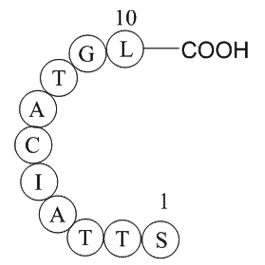
The extent to which GPCR oligomerization is a regulated process still remains unclear. Reported effects of ligands on both GPCR homo- and heteromers are highly variable and depend on GPCR subtypes and the specific ligand used. According to our data, chronic treatment of mice with both paroxetine or
-
If overexpression of ADK is sufficient to induce spontaneous
2025-01-17
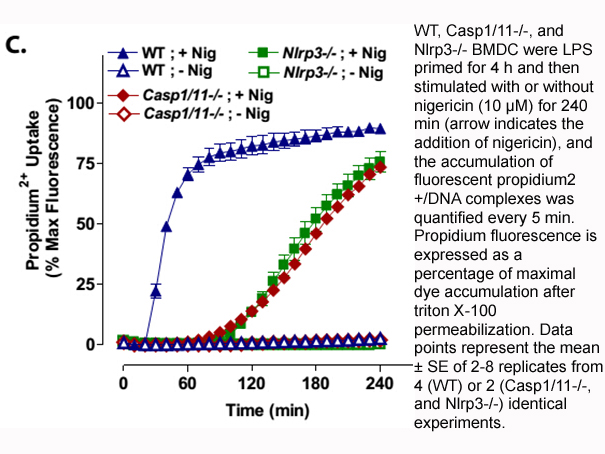
If overexpression of ADK is sufficient to induce spontaneous seizures, then reduction of ADK in engineered mice should prevent epileptogenesis. The generation of mice with moderately reduced levels of ADK in brain rather than complete ADK deficiency seems to be essential, since several lines of evid
-
Previous studies have demonstrated the presence of soluble N
2025-01-17
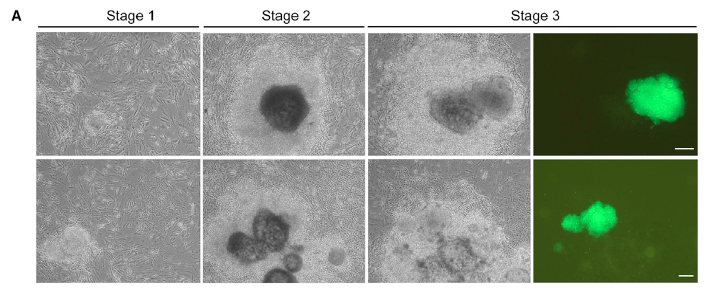
Previous studies have demonstrated the presence of soluble NTPDases, 5′-nucleotidase and adenosine deaminase in rat blood serum as well as in human blood (Doleski et al., 2016; Oses et al., 2004; Yegutkin, 1997; Yegutkin et al., 2007). In addition, our earlier reports have shown that these membrane
-
ACK has been clearly implicated in cancer
2025-01-17

ACK1 has been clearly implicated in cancer progression in recent years. A strong correlation between ACK1 gene copy number, protein level and activity have been demonstrated in tumors of different tissue types (Mahajan et al., 2007; van der Horst et al., 2005; Wang et al., 2006). Our western blot an
-
The cytoplasmic domain of muscle
2025-01-17
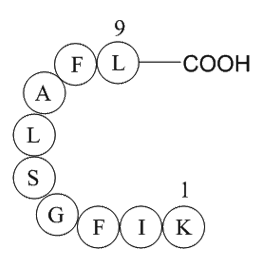
The cytoplasmic domain of muscle AChR is not accessible to Phenyl sulfate in vivo. Theoretically, therapy with the cytoplasmic domains should be safe. Safety is demonstrated by the facts that: (1) rats repeatedly immunized with the cytoplasmic domains in TiterMax adjuvant do not develop EAMG, altho
-
The UV vis and fluorescence spectra have been used to
2025-01-17
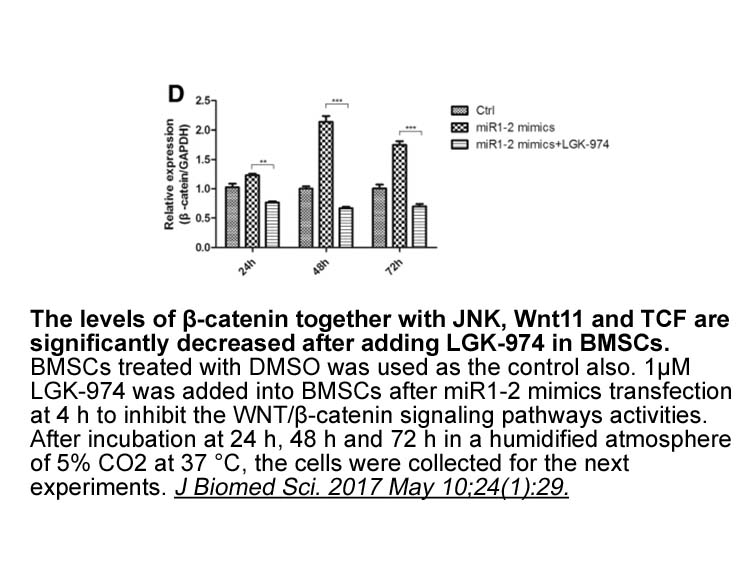
The UV–vis and fluorescence spectra have been used to study the interaction between small chemical molecules and biomolecules (Punith and Seetharamappa, 2012). The UV Galanthamine peak of the protein changes with the microenvironment of the chromophore. That is, the peaks may show a certain degree o
-
The role of DHT in early teleost embryogenesis is
2025-01-17
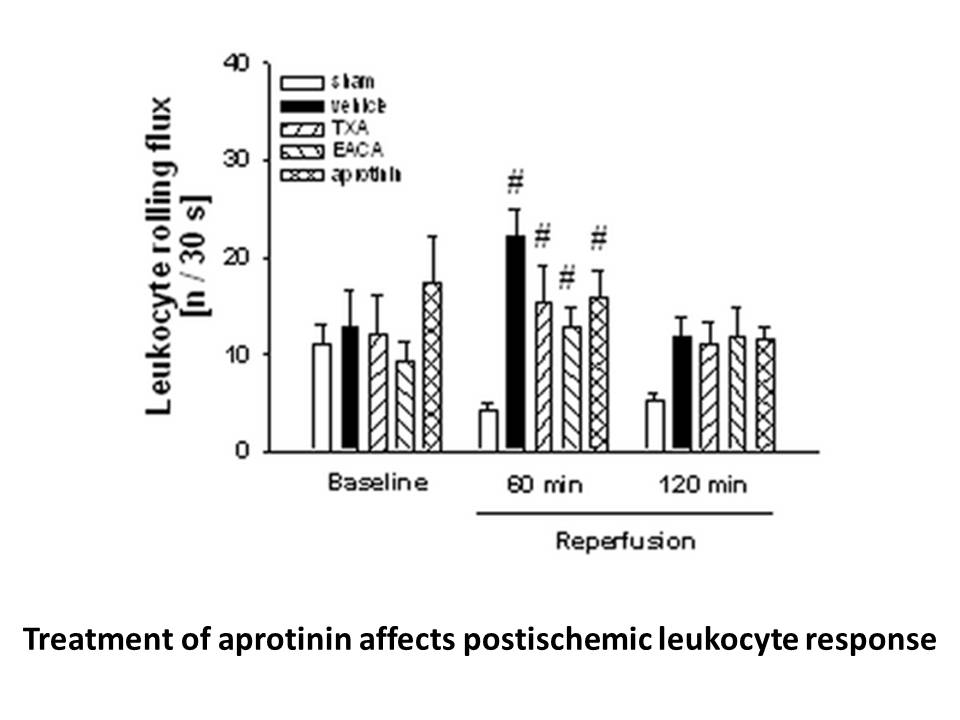
The role of DHT in early teleost embryogenesis is not entirely clear or established, however additional studies that treat fish embryos to DHT or to specific srd5a inhibitors at critical stages of development (i.e. prior to sex differentiation) will shed light on the early functions of this androgen
-
In this study in an effort to explore the
2025-01-17

In this study, in an effort to explore the possible role of 5-HT6 receptors in mediating the memory-enhancing effects of YL-0919, we first assessed the memory-enhancing effects of YL-0919 in the Morris water maze, object recognition test and step-down passive avoidance task. In addition, we then inv
-
A variety of quinazoline or fused pyrimidine substituted dia
2025-01-17
A variety of quinazoline or fused pyrimidine-substituted diaminotriazoles showed sub-100nM inhibition of Axl (). Diaminotriazoles similarly substituted with quinolines, isoquinolines and benzothiazoles also showed potent Axl activity (data not shown), but generally exhibited potent cytotoxicity and
16234 records 46/1083 page Previous Next First page 上5页 4647484950 下5页 Last page